Motion as part of the brand, not a layer of polish
Motion is one of the things I care about most. Not decorative animation, but a considered motion language — how a brand moves, how a product responds, the timing and behaviour that make an experience feel intentional.
On brand and design system work I treat motion as a foundation, right next to colour, type and shape — usually developing it together with specialist motion designers so it stays consistent across a whole product, not just a single screen.
What I help with
- Motion as part of a brand and design system
- Principles for timing, transitions, rhythm and behaviour
- Motion that holds across interactions, loading states, campaign and video
- Working with motion designers to keep it consistent and buildable
Why treat motion as a system
When motion is added screen by screen, it drifts — every team does it slightly differently and it stops feeling like one brand. Defining motion as a foundation, with clear principles, keeps it recognisable and consistent wherever it shows up. That's how we approached it on KLM and Odido, as part of the brand system rather than a finishing touch.
Where I've done this
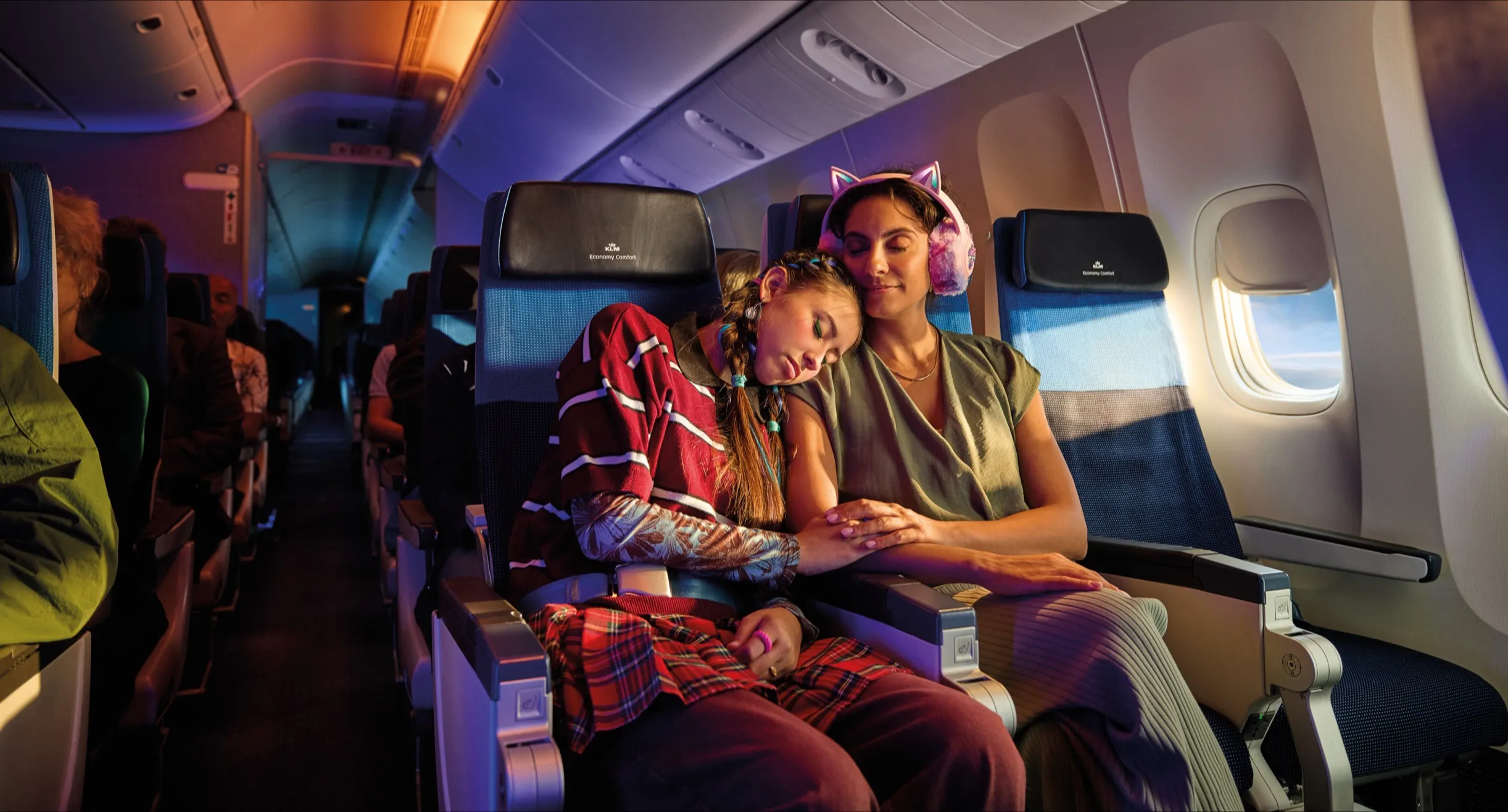
KLM — motion foundation
Together with Rob Wienk, we developed a motion system that defined the foundation for how the KLM brand moves — not decorative animation, but clear principles for timing, transitions, rhythm and behaviour. That foundation could then carry across product interactions and loading states through to campaign assets and video, so motion became a consistent brand asset.
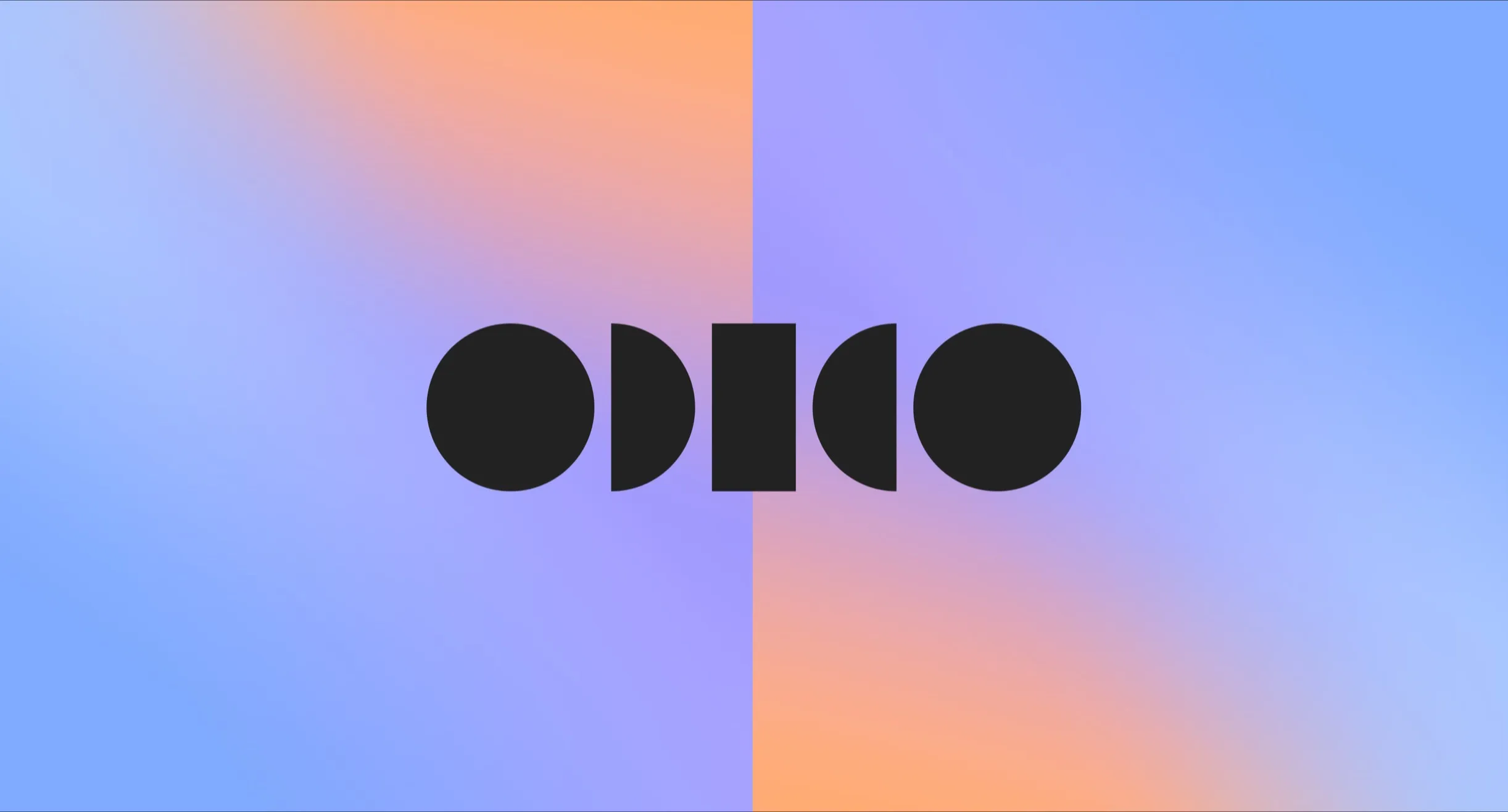
Odido — brand motion
In the T-Mobile → Odido rebrand — which won a Diamond Sabre Award for Brand-Building — motion was part of translating a brand-new identity into a system across web, app and TV, shaped together with motion designers Joshua Noon, Rob Stroom and Rob Wienk so it stayed coherent with the rest of the brand language.
This site
This portfolio is a small example of motion as a deliberate choice rather than decoration — scroll-triggered animations, page transitions, and the fluid distortion on the footer wordmark, all built with the constraints of real implementation in mind.
How I work
- Define principles, not one-off animations
Timing, easing and behaviour that a team can apply consistently, rather than a set of separate animations. - Keep motion part of the brand system
Motion sits with colour, type and shape, so it reads as the same brand across every surface. - Work with the people who build it
Motion that can't be built doesn't ship. I develop it with motion designers and developers so it survives implementation.
FAQ
Do you animate everything yourself?
I work on motion as part of a design system — the principles for timing, transitions and behaviour — usually alongside specialist motion designers. On KLM I developed the motion foundation with Rob Wienk; on Odido motion was shaped with Joshua Noon, Rob Stroom and Rob Wienk. My part is making motion a consistent brand asset, not a one-off animation.
Is motion just decoration?
It shouldn't be. On KLM the point wasn't to add animation, but to define a considered motion language rooted in the identity — timing, transitions, rhythm, behaviour — that could carry across product interactions, loading states, campaign assets and video. Motion as a system, not a layer of polish.
Where does motion fit for you?
Right next to the other foundations — colour, type, shape, iconography. That's how I've treated it on brand and design system work, so motion stays part of the brand rather than something bolted on at the end. It's genuinely one of my favourite parts of the job.
Want motion that feels like part of the brand?
Let's talk.